What to Do After a Car Accident: A Step-by-Step Guide
A practical guide to the steps that protect your health, your rights, and your claim after a car accident — from the scene to dealing with insurance.
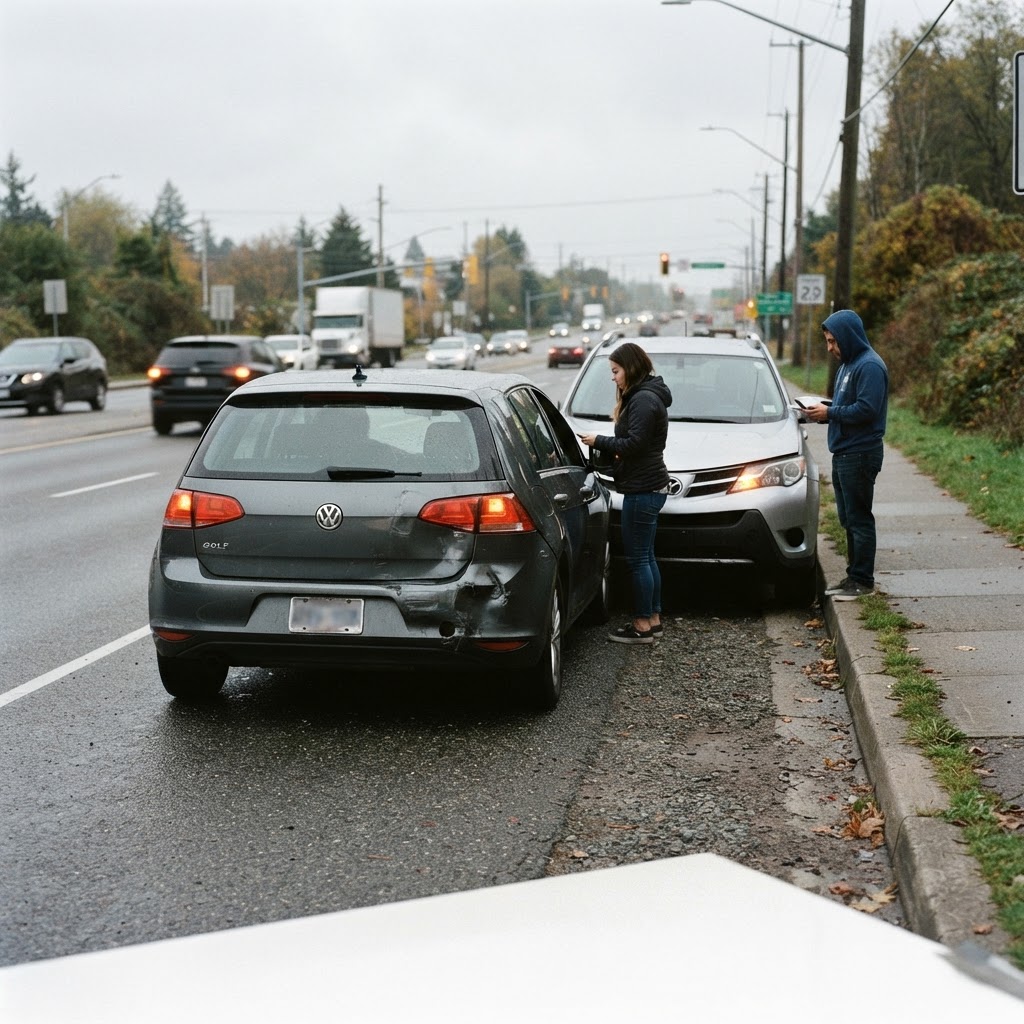
A car accident happens in an instant, but the decisions you make in the minutes, days, and weeks that follow can shape your physical recovery and your legal claim for years. Knowing what to do ahead of time helps you stay calm when it matters most. This guide outlines the steps to take at the scene, in the days after the crash, and when dealing with insurance companies.
At the Scene of the Accident
1. Check for Injuries and Call 911
Your safety comes first. Check yourself and your passengers for injuries, then check on the occupants of any other vehicles involved. If anyone is hurt — even slightly — call 911 immediately and request medical assistance. Even if injuries seem minor, having police and medical responders on the scene creates an official record and protects your health, since some serious injuries do not show symptoms until hours or days later.
2. Move to a Safe Location
If the vehicles are drivable and it is safe to do so, move them out of the flow of traffic to the shoulder or a nearby parking lot. Turn on your hazard lights and set up warning triangles or flares if you have them. If vehicles cannot be moved or anyone is seriously injured, leave everything in place and wait for emergency responders.
3. Call the Police
In Massachusetts, you are required to report any accident that causes injury or property damage exceeding $1,000. Always call the police after a collision, even a minor one. The responding officer will create an accident report that documents the scene, which becomes a critical piece of evidence for your insurance claim. Be honest and factual, but do not speculate about fault or admit blame — let the investigation determine what happened.
4. Exchange Information
Collect the following from every driver involved:
- Full name, address, and phone number
- Driver’s license number and state
- License plate number and vehicle make, model, and year
- Insurance company name and policy number
Also gather contact information from any passengers and witnesses. Witnesses who are not involved in the crash often provide the most impartial accounts of what happened.
5. Document the Scene
Use your phone to take photographs of everything relevant:
- All vehicles from multiple angles, showing damage and position
- The surrounding road, traffic signs, signals, and road conditions
- Skid marks, debris, and any visible injuries
- The other vehicle’s license plate and the other driver’s insurance card
Take notes on the time, date, weather, and what you remember about how the crash occurred. Memory fades quickly, so capture details while they are fresh.
6. Do Not Admit Fault
Even if you believe you may have contributed to the accident, do not admit fault at the scene. Fault is determined by a careful review of the facts, and a simple apology can be misinterpreted as an admission. Be courteous and cooperative, but limit your statements to the exchange of information and the facts you observed.
Immediately After the Accident
Seek Medical Attention
See a doctor as soon as possible after the accident, even if you feel fine. Whiplash, concussions, and soft-tissue injuries often do not produce symptoms until a day or two after the crash. A prompt medical evaluation documents your injuries, links them to the accident, and protects both your health and your claim. Follow all treatment recommendations and keep records of every appointment, test, and prescription.
Report the Accident to Your Insurance Company
Notify your own insurance company about the accident as soon as possible. Most policies require prompt reporting, and a delay could jeopardize your coverage. Provide the basic facts, but do not give a recorded statement or accept a settlement offer before you understand the full extent of your injuries and damages — that is where an attorney can help.
Keep Detailed Records
Start a file and keep everything related to the accident in one place:
- The police report number and a copy once it is available
- All medical bills, records, and treatment notes
- Receipts for out-of-pocket expenses like towing, rental cars, and prescriptions
- Photographs of your injuries and vehicle damage
- A daily journal of your pain levels, missed work, and how the injuries affect your daily life
Working With Insurance Companies
Insurance adjusters may contact you shortly after the accident, often with a quick settlement offer. Remember that the adjuster works for the insurance company, not for you. Their goal is to resolve the claim for as little money as possible — often before the full extent of your injuries is known.
You are not required to accept the first offer, give a recorded statement without legal advice, or sign any release. Once you sign a release, you give up your right to seek additional compensation, even if your injuries turn out to be more serious than expected. Before accepting any settlement, it is wise to consult an experienced personal injury attorney who can evaluate whether the offer fairly accounts for your medical expenses, lost wages, pain and suffering, and future care needs.
When to Contact a Personal Injury Attorney
Consider speaking with an attorney if any of the following apply:
- You or a passenger were injured in the crash
- The accident involved multiple vehicles or a commercial truck
- The other driver was uninsured or underinsured
- Fault is being disputed
- The insurance company is pressuring you to settle quickly
- Your medical bills are mounting or you are missing work
Under Massachusetts law, you generally have three years from the date of the accident to file a personal injury lawsuit, but waiting can make evidence harder to gather and witnesses harder to find. The sooner you speak with an attorney, the better protected your rights will be.
Protecting Your Rights After a Car Accident
A car accident can upend your life in moments. The steps you take — or fail to take — in the days afterward can make the difference between a fair recovery and a claim that falls short. By documenting the scene, seeking prompt medical care, keeping careful records, and speaking with an attorney before accepting any settlement, you put yourself in the strongest position to recover physically and financially.
Have you been injured in a car accident? Attorney Paul C. Prevey provides dedicated personal injury representation to accident victims throughout Massachusetts. Contact Prevey Law Group, P.C. to schedule a free consultation and learn how we can help you pursue the compensation you deserve.
Disclaimer: This article is provided for educational purposes only and does not constitute legal advice. Every accident is unique. For guidance tailored to your situation, consult a licensed personal injury attorney.